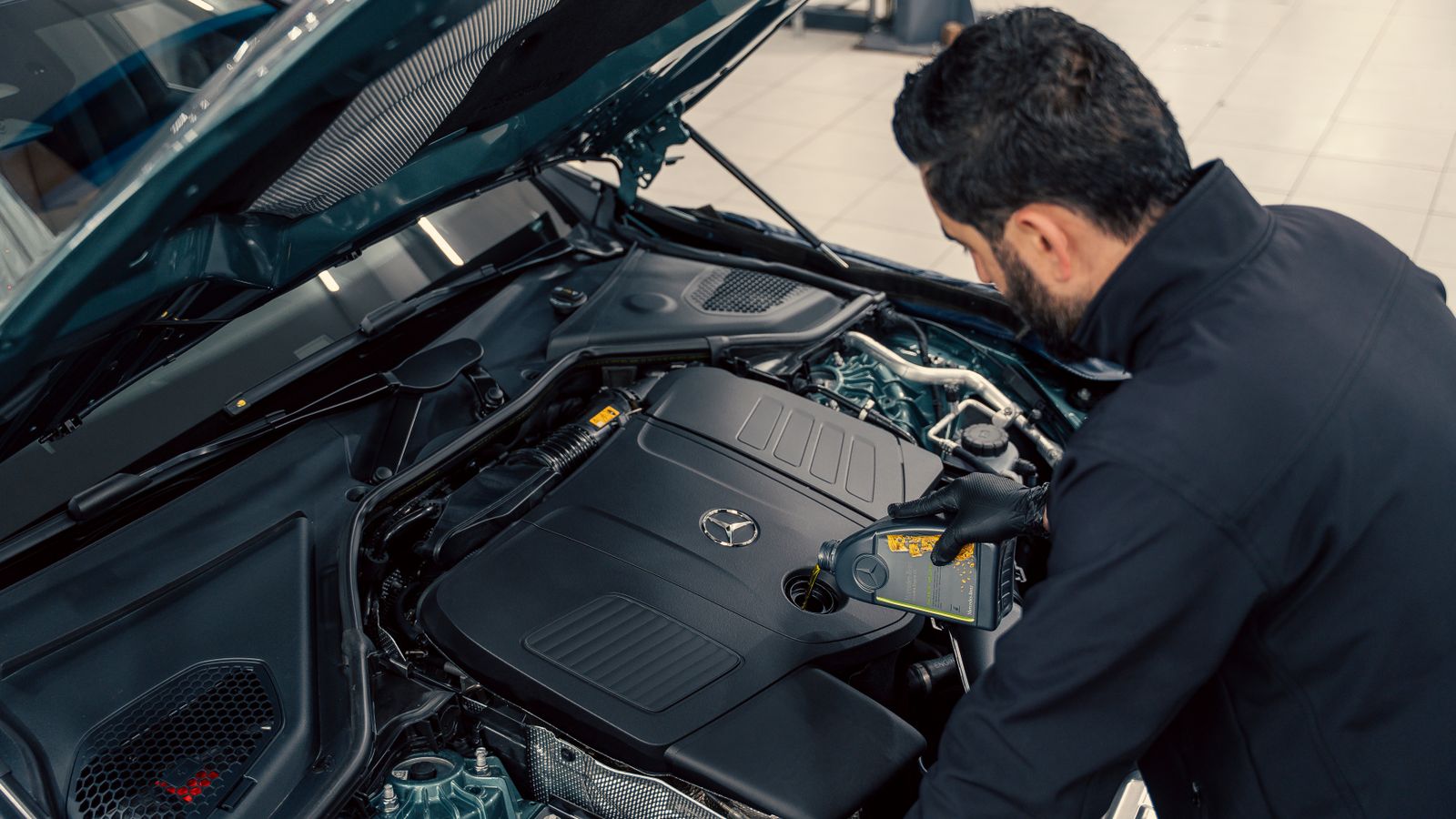
Oil changes: follow your car, not the old 3,000-mile rule
Many modern cars running synthetic oil can go well beyond 3,000 miles between changes. Your owner's manual or the car's oil-life monitor is the guide. Follow the "severe service" schedule if you mostly make short trips, tow, drive in dusty areas or sit in stop-and-go traffic.
Use the oil grade the manual recommends. It improves mileage by 1% to 2% compared with the wrong grade, according to fueleconomy.gov. Check the dipstick once a month between changes, because many engines use a little oil.
Filters
Engine air filter: on modern fuel-injected cars a clogged air filter mainly hurts acceleration, not gas mileage. Still replace it on schedule. It is usually a cheap, five-minute job you can do yourself. Cabin air filter: affects the air you breathe and how well the AC and defroster work.
Check engine light
Don't ignore it. A steady light means get it checked soon. A flashing light usually means a serious misfire: reduce speed and get it looked at right away. Many auto parts stores will read the trouble code for free, so you know what you are dealing with before you go to a shop. A loose gas cap is a common, free fix.
Fix windshield chips early
A small chip can often be repaired quickly and cheaply. Leave it, and temperature changes can spread it into a crack that means a whole new windshield. Check your auto insurance: some policies cover glass repair at little or no cost to you.
Wash and protect the paint
Road salt, bird droppings and tree sap damage paint and speed up rust. A regular wash and a coat of wax or sealant a few times a year protects the finish and helps resale value.
A simple maintenance schedule
| How often | What to check or do |
|---|---|
| Every fill-up | Look at the tires; note any warning lights |
| Monthly | Tire pressure (cold), oil level, washer fluid, lights |
| Each oil change | Rotate tires, inspect brakes, wipers, belts and hoses, coolant level |
| Yearly | Brake inspection, battery test (especially before winter), alignment check, cabin air filter |
| Per owner's manual | Brake fluid, coolant, transmission fluid, spark plugs, timing belt if fitted |
Service, glass, care and roadside help
Some links on this page are affiliate links: if you buy through them we may earn a commission, at no extra cost to you. How we make money.
Valvoline Instant Oil Change
Quick drive-through oil changes, usually without leaving your car. Check the site for current coupons before you go.
Find a location →Safelite AutoGlass
Windshield chip repair and replacement, at a shop or at your home or office. Can work with your insurance.
Schedule glass repair →Chemical Guys
Car wash soaps, waxes, sealants and detailing supplies for keeping the finish protected at home.
Shop car care →AAA
Roadside assistance membership: towing, jump-starts, lockout help and fuel delivery, plus member discounts.
Learn about AAA →Frequently asked questions
How often should I really change my oil?
Follow your owner's manual or oil-life monitor. Many modern cars with synthetic oil go 5,000 to 10,000 miles or more between changes. Use the severe-service schedule if you mostly drive short trips or in harsh conditions.
Is synthetic oil worth it?
If your manual calls for synthetic, use it. If not, synthetic can still offer better protection in extreme temperatures and longer intervals. Check whether the longer interval offsets the higher price.
Does maintenance improve gas mileage?
Some of it does. Correct tire pressure and the right motor oil grade both have measurable effects, and a well-maintained engine runs efficiently. The bigger benefit is avoiding expensive repairs.